Dairy proteins without the herd
Conventional dairy protein production ties up land, water, and animals at a scale food manufacturers are finding difficult to defend in sustainability disclosures. Our cell-culture approach severs all three dependencies.
A closed bioreactor, not a herd
Producing one kilogram of conventional dairy casein is estimated to require approximately 170 square meters of land for feed crop cultivation, grazing, and associated infrastructure, based on published IDF life-cycle analysis data (IDF, 2022). That footprint compounds across every stage of the manufacturing supply chain.
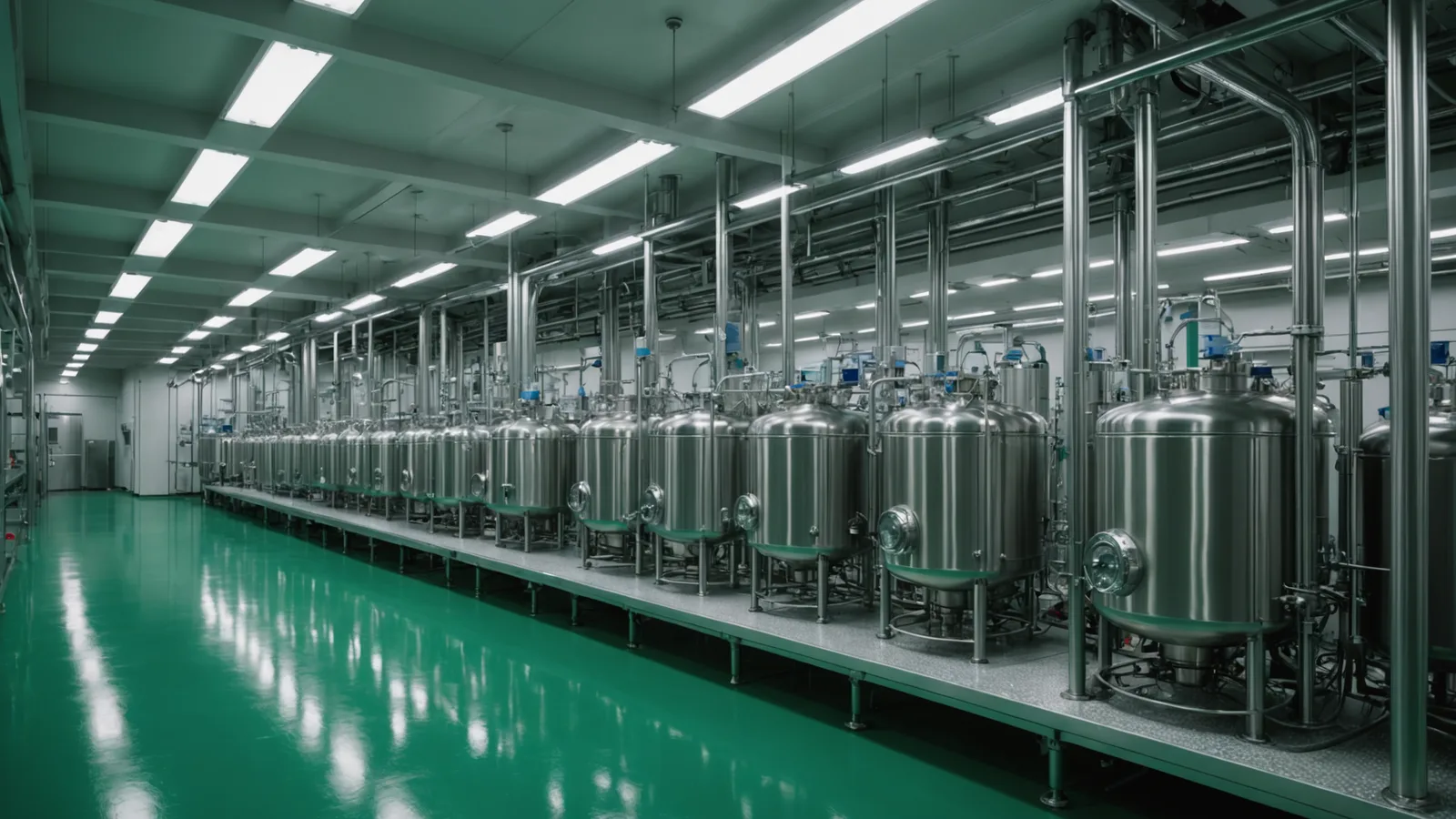
Our 200L pilot bioreactor occupies less than 0.5 square meters of floor space. Cells are fed a chemically defined medium. There is no outdoor land footprint beyond the building itself, and no connection to agricultural water systems.
Key impact differences
Comparative estimates based on published IDF life-cycle analysis data for conventional bovine dairy (IDF, 2022) versus cell-culture projections at scale. Opalia does not claim a certified LCA for its current pilot process.
Cell culture requires a fraction of the footprint conventional dairy protein production ties to feed cultivation and grazing infrastructure.
Conventional dairy casein production draws an estimated 4,600 liters of water per kilogram of output (IDF, 2022). Our closed-loop bioreactor uses a chemically defined medium with no connection to agricultural irrigation systems.
Our cell lines were established from a cell bank. No ongoing animal inputs are required at any stage of production after initial cell line development.
No antibiotic inputs, by design
Conventional dairy herds routinely receive antibiotic treatment to control mastitis and other infection pressure. Antibiotic residues in dairy supply chains are a subject of increasing regulatory scrutiny in multiple markets.
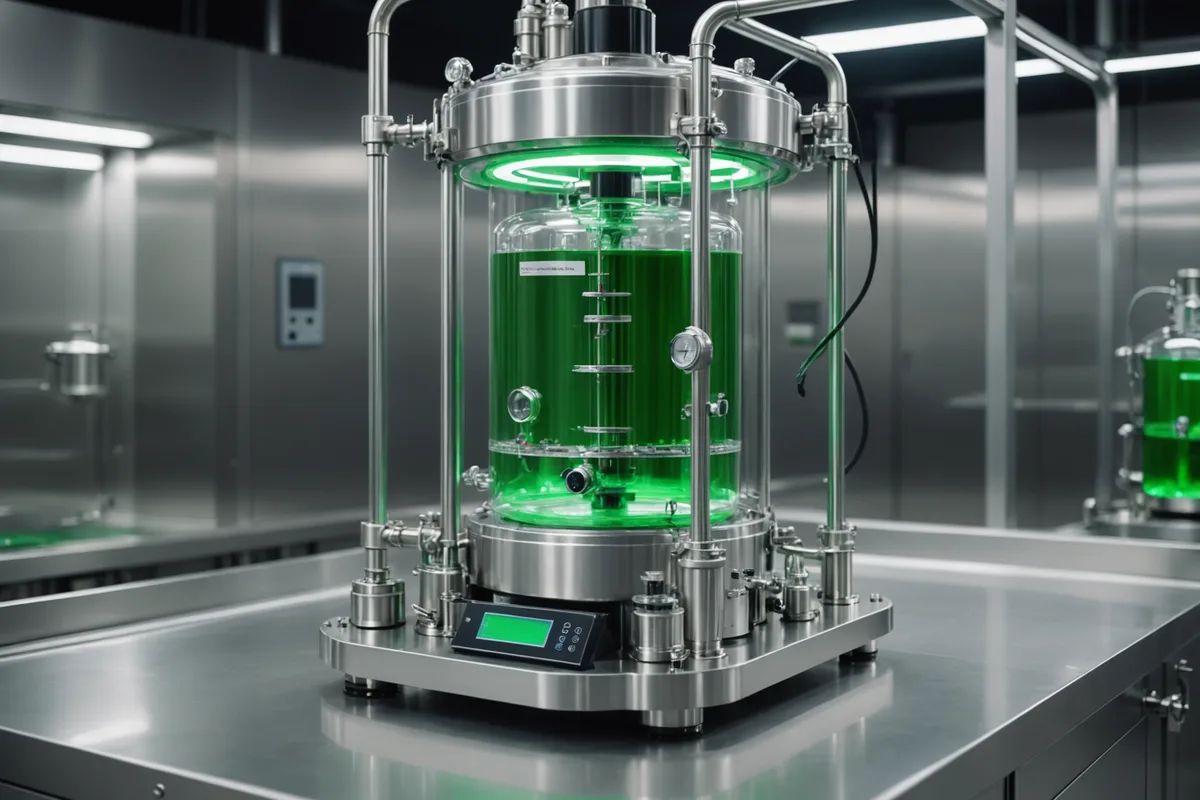
Our bioreactor uses a sterile, closed-loop system. There are no animals to treat, and our culture media is not supplemented with antibiotics. Contamination control is achieved through physical sterility, not chemical treatment.
This simplifies the allergen and residue declaration process for food manufacturers incorporating our protein into consumer products.
Simpler sourcing claims for your products
When you formulate with Opalia proteins, the ingredient sourcing story is short: cell culture, defined media, no animals, no land pressure. That is a straightforward supply chain disclosure for products targeting consumers who read ingredient labels. It also simplifies scope-3 emissions accounting for manufacturers tracking supply-chain carbon.
Build your animal-free protein story
Food manufacturers in dairy-alternative and functional nutrition categories are increasingly required to substantiate animal-free and low-impact sourcing claims. Our ingredient documentation provides the data points your labeling and marketing team needs.